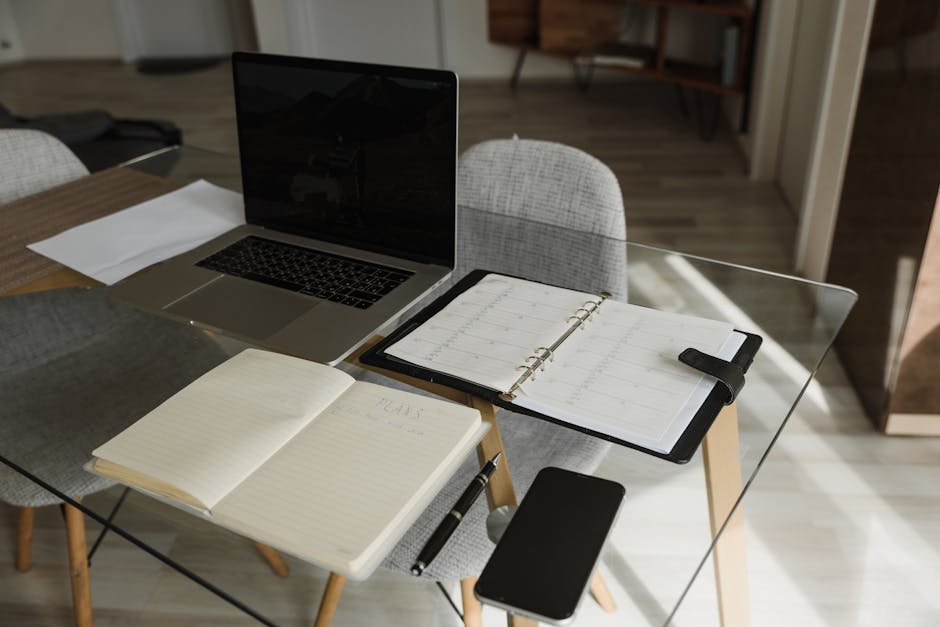
It's a Tuesday morning, and the clock on the wall reads 9:15 AM. At my desk, the task notebook lies open to a fresh page, yet the top three tasks from yesterday remain unwritten. Instead, my screen is cluttered with muted notifications from various apps, each vying for my attention. I take a deep breath, trying to center myself for a focused work session, but the small admin tasks—like responding to emails and scheduling meetings—crowd my mind, pulling me away from the real work I intended to tackle. The mismatch between my work surface, filled with distractions, and my task surface, which should guide my focus, feels palpable.
As I glance at my calendar, it’s clear that today is packed with meetings, further complicating my workflow habits. The constant task switching is exhausting; I find myself struggling to align my energy with the demands of the day. Each time I shift my attention back to my notebook, I notice that the tasks I truly want to accomplish get overshadowed by the urgency of smaller, less significant responsibilities. This friction between my physical workspace and the tasks I need to prioritize creates a barrier to my mindful creative time, making it difficult to establish a productive rhythm.
The Overlooked Setup: Work Surface vs. Task Surface
My desk is cluttered, a chaotic mix of open tabs on my laptop and scattered sticky notes. Each note holds a small task, reminders of emails to send or meetings to schedule, but they overshadow the real focus of my work session: drafting a proposal for a new client. As I glance at the screen, the browser is filled with distractions—social media notifications, news articles, and project updates. This overload makes it hard to concentrate on the proposal, which should be my priority for the day.
During this ordinary weekday moment, I pull out my task notebook, flipping to the page where I’ve written down my top three tasks for the day. Yet, instead of diving into the proposal, I find myself checking off minor admin tasks that consume my time and energy. I realize that I need to block off a focused session for the proposal. I close all irrelevant tabs and mute notifications to create a clearer work surface. This simple adjustment helps, but the nagging feeling of unfinished small tasks still lingers. The mismatch between my physical workspace, filled with distractions, and the task surface in my notebook creates a barrier to accessing my mindful creative time.
Key Steps That Get Forgotten in the Flow
During a busy work session, the initial intention to focus on the proposal can quickly dissolve into a barrage of small admin tasks. I often find myself checking emails, updating my calendar, or responding to messages that pop up on my screen. Each of these tasks seems harmless at first, but they collectively siphon away precious time and attention, leaving the proposal untouched. The physical workspace, cluttered with open tabs and notifications, amplifies this distraction, pulling me away from what truly matters.
One overlooked step in this chaotic flow is the act of closing unnecessary applications before starting the work session. When I forget to do this, I end up with multiple windows open, each vying for my attention. This leads to a frustrating cycle where I jump from one minor task to another, checking off items that don’t contribute to my main goal. The time spent toggling between tasks not only disrupts my focus but also creates a sense of urgency that feels unproductive. I realize that blocking off a specific focus session for the proposal, while also muting notifications, is essential to reclaim my mindful creative time.
As I sit at my desk, surrounded by my task notebook, I can see the top three tasks for the day glaring back at me, yet they remain unwritten in my mind. The small admin tasks have crowded out my real work, making it clear that without a more intentional setup, I risk losing my creative momentum. A simple adjustment, like designating a specific time block for admin tasks at the end of the day, could help me maintain a clearer boundary between necessary chores and my creative endeavors.
Reorganizing the Sequence: From Chaos to Clarity
A slightly different version of this problem appears in Managing Energy Not Time, where the sequence changes but the hidden drag feels familiar.
During a typical weekday, I often find myself staring at my task notebook, where I’ve jotted down the top three tasks for the day. However, instead of diving into these priorities, I get sidetracked by a flood of small admin tasks that seem to multiply. This chaos is a direct result of mismatched surfaces; my desk is cluttered with papers and reminders, while my calendar is packed with back-to-back meetings. To regain control, I need to create a focused session amidst this noise.
Blocking off a dedicated hour on my calendar for deep work is essential. I open my calendar app and schedule a focus block from 10 AM to 11 AM, ensuring to mute notifications during this time. This simple act of preparation helps me to mentally commit to the session. When the time arrives, I can clear my desk, placing my task notebook front and center, and physically push aside any unrelated documents. The intention is clear: I will tackle the top three tasks without interruption. The previous chaos of task switching fades as I dive into the first item, feeling the weight of distraction lift.
By prioritizing this focused hour, I not only complete my top three tasks but also create a more mindful approach to my workflow. The shift in timing—moving admin tasks to the end of the day—allows me to protect my creative energy. This adjustment ensures that my work surface aligns with my task surface, leading to a more productive and satisfying work session.
What Shifts When the Sequence Aligns
If this pattern keeps repeating, Focus Without Burnout extends the idea without leaving the niche.
During my short planning reset, I glance at my task notebook, which is filled with scribbled notes and half-finished lists. The chaos of small admin tasks often overwhelms my mind, making it difficult to focus on what truly matters. However, when I prioritize my tasks and align my work surface with my task surface, everything changes. I take a moment to block out a focused work session on my calendar, setting the time for 10 AM to 11 AM. This simple act transforms my approach, as I know I have a dedicated hour to tackle my top three tasks.
Before diving into my focus block, I mute notifications on my phone and clear my desk. I physically push aside unrelated documents and place my task notebook front and center, ensuring that I can easily reference my prioritized list. This preparation minimizes the friction between my workspace and my mental tasks, allowing me to engage deeply with my work. The small admin tasks, which once felt like insurmountable obstacles, become manageable. I can now view them as quick items to check off later in the day, rather than distractions that pull me away from meaningful work.
The impact is immediate: I can maintain my focus throughout the session, diving into each task with intention. The act of aligning my workspace with my task list not only enhances my productivity but also fosters a more mindful approach to my creative process. I finish the hour feeling accomplished, with the satisfaction of having completed significant work rather than merely surviving a barrage of minor tasks. This shift in sequence allows me to protect my creative energy, ensuring that I can return to the admin tasks later without the same sense of overwhelm.
As I wrap up my planning reset, I realize that the mismatch between my physical workspace and my task management has been a significant source of friction. The clutter of small admin tasks often clouds my focus, making it hard to dive into the creative work that truly matters. By blocking out one focused session on my calendar, I can prioritize my top three tasks without letting minor distractions creep in. This simple action creates a clear boundary, allowing me to engage deeply with my work.
Next time I sit down at my desk, I’ll check my task notebook first, ensuring that the most important tasks are visible and prioritized. With a muted notification window in place, I can minimize interruptions and protect my creative energy. This small adjustment will help me maintain a mindful approach to my workflow, ensuring that I don’t just survive the day but thrive in my creative endeavors.