It's a Wednesday afternoon, and the calendar sidebar on your screen shows a series of tasks lined up for the day. You take a moment to glance at your desk, cluttered with notebooks and a half-finished coffee cup, as you prepare for your next work session. The top three tasks, which you had meticulously planned out earlier, remain unchanged, glaring at you as reminders of the focus blocks that slipped away. The desk surface, however, does not match the task sequence; papers from yesterday's brainstorming session are still strewn about, creating a visual distraction that pulls your attention in multiple directions. As you sit down, a sense of urgency builds, but the energy to tackle those tasks feels mismatched.
In this moment of planning reset, the friction becomes clear: your attention management is compromised by the clutter and the pressure of task switching. You realize that without a muted notification window and a clear focus block, the afternoon dip in energy will only exacerbate the problem. Instead of diving into the tasks, you find yourself hesitating, caught between the desire to be productive and the reality of your disorganized workspace. The initial failure point in your mindful creative routine is evident—without aligning your environment with your workflow habits, the potential for distraction looms large, threatening to derail your productivity before it even begins.
The Expected Flow of Mindful Creative Time
In an ideal setup, a focused work session begins with a clear intention: allocate a solid 25 to 30 minutes to tackle the day’s top three tasks. This is where the calendar block comes into play, allowing you to visually prioritize what needs to be accomplished. As you glance at your calendar sidebar, the tasks are neatly lined up, ready for action. You’ve set the stage for a productive session, but the real challenge lies in ensuring that your workspace matches this intention.
Before diving into the work session, a quick check of your desk reveals a mismatch. Papers from previous projects clutter the surface, and your laptop screen is dotted with notifications waiting to distract you. The initial flow is disrupted; instead of a smooth transition into focused work, you find yourself overwhelmed by the visual noise. The first step to correct this is to clear the desk, ensuring that only the materials related to your top three tasks are within reach. Muting notifications on your device is another crucial move that can help maintain your focus.
With the desk organized and distractions minimized, you’re now ready to engage in your work session. The sequence of actions should flow seamlessly: open your task management app, review the prioritized tasks, and set a timer for your focus block. This structured approach not only aligns your energy with the tasks at hand but also reinforces your workflow habits. However, if the desk remains cluttered and notifications are still active, the potential for distraction will linger, undermining your efforts before the session even begins.
Where the Routine Breaks First
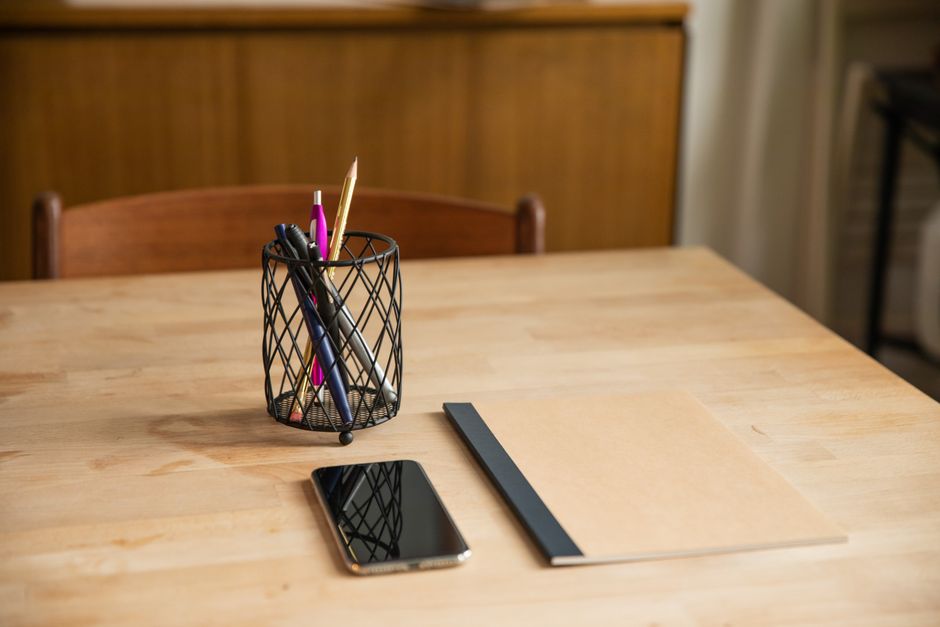
During an ordinary weekday moment, the desk often becomes a chaotic blend of materials that have nothing to do with your current focus. Papers from past projects, half-opened notebooks, and an array of pens clutter the surface, creating a visual distraction that can derail your planned workflow. This clutter not only overwhelms the senses but also muddles your mind, making it difficult to remember the top three tasks you intended to tackle. Without a clear workspace, the first visible sign of drift appears almost immediately: you find yourself scrolling through unrelated notes or searching for a pen instead of diving into your work session.
Switching tasks without a designated focus block amplifies this problem. You might glance at your calendar sidebar, where your planned work sessions are laid out, but if the desk doesn’t reflect that order, your attention scatters. Instead of smoothly transitioning into a productive state, you end up flitting between tasks, losing precious minutes to indecision. To correct this, take a moment to clear the desk of everything except the materials related to your top priorities. This simple act of desk planning creates a physical cue that aligns with your mental focus, setting the stage for a more effective work session.
Next, ensure that your device is set to mute notifications. This small adjustment can prevent distractions from pulling you away from your focus block. With a clean desk and a quiet device, you can open your task management app and review your prioritized tasks. By following this sequence—clearing the desk, muting notifications, and then engaging with your tasks—you create a structured environment that supports your energy levels and workflow habits. However, if you skip these steps, the potential for distraction will linger, making it much harder to maintain the focus you need.
This same friction shows up again in Focus Without Burnout, especially when the day tightens unexpectedly.
A Simple Correction to Regain Focus
Before diving into a work session, take a moment to assess your desk. The clutter of papers, coffee mugs, and stray pens can quickly become a distraction, especially during that critical afternoon dip in energy. Spend just five minutes decluttering your workspace. Remove everything that isn’t directly related to your top three tasks. This small act of organization not only clears your physical space but also signals to your brain that it’s time to focus.
Next, turn your attention to your devices. Open your calendar sidebar and check your notifications. Mute your phone and any computer alerts. This adjustment minimizes distractions and creates a more conducive environment for your focus block. By ensuring that your workspace and digital environment are aligned, you set the stage for a more productive session. If you skip these steps, the visual chaos and constant pings can easily derail your concentration, making it harder to engage with your tasks effectively.
What Changes After the Correction
If this pattern keeps repeating, Managing Energy Not Time extends the idea without leaving the niche.
With the workspace cleared and the notifications muted, the difference in focus becomes immediately apparent. The top three tasks, now prominently displayed on the calendar sidebar, serve as a constant reminder of what needs to be accomplished. This visibility prevents the common pitfall of losing sight of priorities amidst the day’s distractions. Instead of letting the afternoon slump dictate the workflow, the freelancer can now engage in a focused work session, tackling each task in a deliberate order.
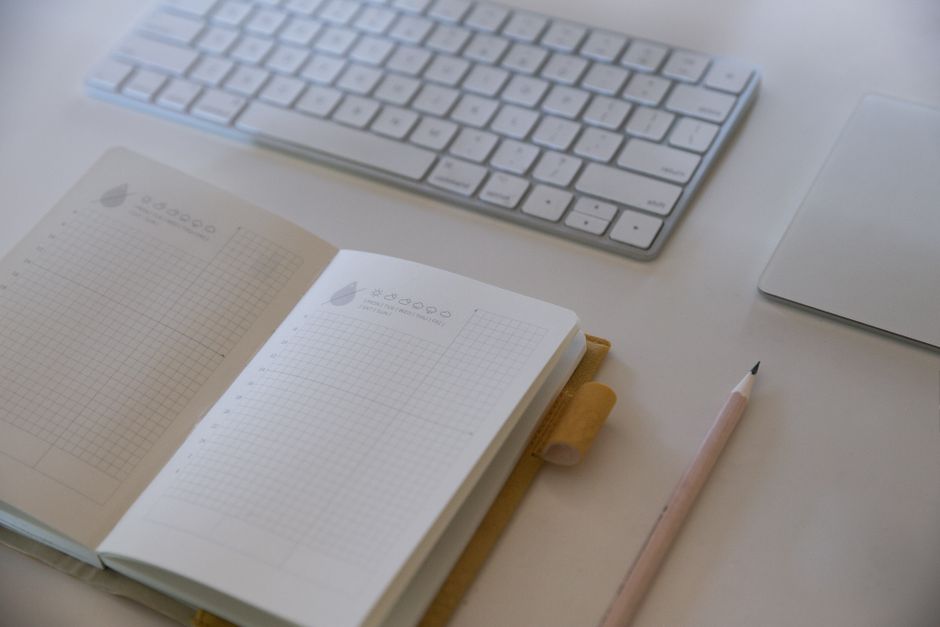
As the clutter fades, so does the mental fog that often accompanies it. Task-switching becomes smoother; the mind no longer grapples with visual chaos. For instance, when transitioning from writing a proposal to designing a presentation, the clear desk allows for a more seamless shift. The act of simply placing the laptop on the left side of the desk while the notepad remains on the right creates a physical cue for the next task. This small adjustment not only saves time but also enhances cognitive flow.
In the next focus block, the freelancer finds that they can dive deeper into each task without the usual interruptions. Instead of spending precious minutes sifting through papers or dealing with unexpected notifications, they can now allocate a full 45 minutes to brainstorming ideas for the proposal. This concentrated effort leads to more substantial progress, ultimately making the afternoon feel less like a struggle and more like a productive stretch. The energy-aware planning has transformed the workflow, proving that a few simple corrections can yield significant results.
As the afternoon dip approaches, the freelancer realizes that the clutter on their desk has become a barrier to maintaining focus. With the calendar sidebar open, they notice that the top three tasks remain untouched, a clear indication that the workflow habits need realignment. By taking a moment to physically rearrange the workspace—placing the laptop in a designated spot and clearing away unrelated papers—they create a visual cue that signals the start of the next focus block.
To ensure that this mindful setup sticks, they mute notifications on their phone and close unnecessary tabs before diving into the next task. This simple act of preparation not only enhances attention management but also reinforces the importance of a clean desk that matches the task sequence. With these adjustments, the freelancer can now approach their work sessions with renewed clarity, making it less likely that their mindful creative time will slip away again.