My task list, visible on a sticky note pinned to the edge of my monitor, seems to grow longer with every notification ping from Slack. The constant flow of messages pulls me away from my focus block, making it hard to settle into a mindful creative rhythm.
As I sit at my desk, I realize that my workspace isn’t just a physical environment; it’s a reflection of my workflow habits. The task surface—my sticky note—doesn’t align with the time available for deep work. I’ve skipped the crucial step of prioritizing my tasks before diving into the day. The decision to leave admin tasks for later feels increasingly elusive, and I know I need to adjust my desk planning to regain control over my creative time.
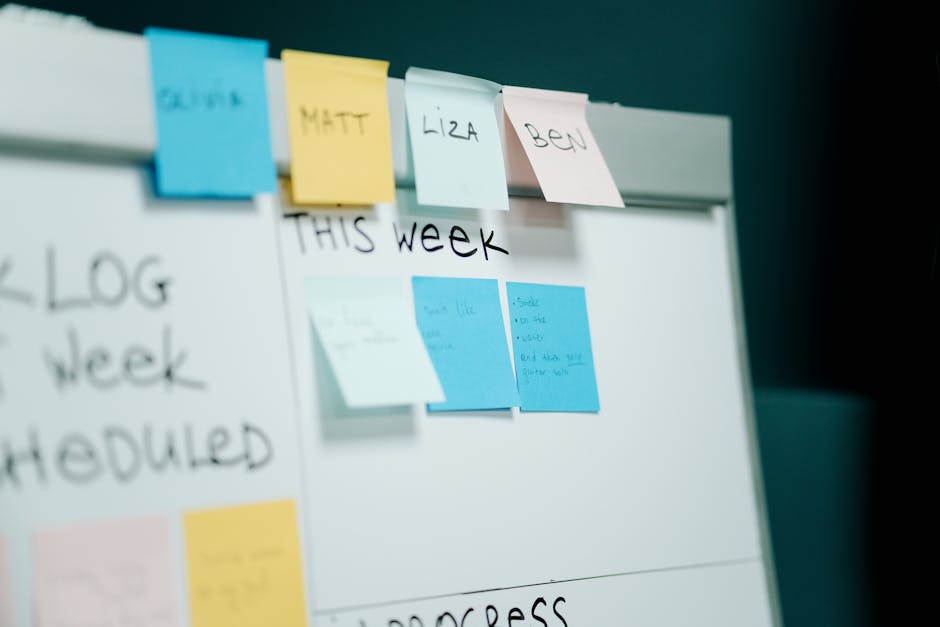
The Overloaded Task List and Its Hidden Costs
My desk is a chaotic blend of open browser tabs and scattered sticky notes, each representing a task demanding my attention. With the clock inching toward noon on this ordinary weekday, I catch a glimpse of my calendar, filled to the brim with back-to-back meetings that leave little room for creative thought. Each ping from Slack pulls my focus, making it nearly impossible to sift through the noise and settle into a productive rhythm.
This moment underscores a critical friction point: my task list, visible on the sticky note pinned to my monitor, is not aligned with the time I have available for deep work. I realize I need to prioritize my tasks before diving into the day. Moving those admin tasks to later in the week could clear my mental space and allow me to focus on the creative work that truly matters. The clutter on my desk and in my mind is a direct result of neglecting this essential step in my desk planning, and it’s becoming increasingly clear that I must take control of my schedule to reclaim my mindful creative time.
When Focus Breaks: The First Sign of Trouble
Notifications from Slack pop up incessantly, each ping pulling my attention away from the task at hand. I glance at my screen to see an email alert flash across the top, and I instinctively click to check it. The calendar block I had set for deep work is now compromised, as I find myself task switching instead of settling into a productive rhythm.
As I navigate through these interruptions, I realize that my earlier decision to leave admin tasks for later in the week was not just a good idea—it was essential. Each notification disrupts my workflow, creating a cascade effect where I lose precious minutes to refocus. I need to check my visible task list pinned to my monitor and prioritize my creative work over the admin clutter. Moving those less critical tasks to a dedicated time slot later could help reclaim my focus block, but for now, I’m left grappling with the growing tension between my intentions and the reality of my day.
Understanding the Mechanism of Distraction

A slightly different version of this problem appears in Managing Energy Not Time, where the sequence changes but the hidden drag feels familiar.
My browser tab row is a chaotic landscape, filled with unfinished tasks and half-read articles. Each tab represents a commitment that pulls at my attention, yet none of them align with my current focus block. As I sit at my desk during this ordinary weekday, I can feel the weight of each notification from Slack and email pressing down on my ability to concentrate. I glance at my screen, where an email alert flashes, and I instinctively click to check it. This split-second decision shatters my concentration, forcing me into a cycle of task switching that erodes my productivity.
In an effort to maintain my workflow, I had planned to tackle admin tasks later in the week, hoping to free up my creative time. However, the reality of my situation reveals a hidden step I overlooked: the mental load of constantly switching between tasks creates inefficiency. I realize I need to check my visible task list pinned to my monitor and prioritize the creative work over the admin clutter. Moving those less critical tasks to a dedicated time slot later could help reclaim my focus block, but for now, I’m stuck managing the fallout of my good intentions against the backdrop of a mismatched work surface and task surface. A Simple Adjustment to Regain Control During a typical weekday, I often find myself overwhelmed by a long task list while staring at a cluttered browser tab row. To reclaim my focus and streamline my workflow, I’ve started moving admin tasks to the end of the day.
- Allocate a calendar block in the morning for focused work, ensuring I have uninterrupted time to dive into creative tasks.
- Check my visible task list pinned to my monitor before starting my work session, prioritizing the most critical items.
- Set a timer for 25 minutes to maintain a focus block, allowing myself to fully engage without distractions.
This simple shift in my schedule not only reduces the mental clutter of task switching but also allows me to approach my creative work with renewed energy. By reserving admin tasks for later, I can focus on what truly matters during my peak productivity hours, but I still need to remain vigilant about the interruptions that threaten to derail my progress.
The Ripple Effect of a Small Change
If this pattern keeps repeating, Focus Without Burnout extends the idea without leaving the niche.
After moving admin tasks to the end of my day, I noticed a significant drop in interruptions during my morning focus blocks. The decision to prioritize creative work first meant that I could engage deeply without the usual distractions pulling me away.
Before this adjustment, I often found myself switching between tasks, which left me feeling scattered and unproductive. Now, I check my visible task list pinned to my monitor before starting each session. This simple act grounds my focus and helps me zero in on what needs to be done first.
This shift not only enhances my workflow but also creates a more satisfying work environment. While I still need to manage the occasional interruption, the overall impact of this change has been a more streamlined and focused approach to my daily productivity.
As I navigate through my day, the browser tab row often becomes a visual representation of my scattered focus. Each open tab is a potential distraction, pulling my attention away from the task at hand. During desk planning, I realized that I needed to close the tabs related to admin tasks and emails before starting my creative work. This small adjustment not only declutters my screen but also creates a clearer mental space, allowing me to dive into my focus blocks without the constant temptation of notifications.
Now, I make it a habit to check my visible task list pinned to my monitor before each work session. This simple act reminds me of my priorities and helps me resist the urge to switch tasks impulsively. By keeping my focus on what truly matters, I can reclaim my mindful creative time, turning what once felt overwhelming into a more manageable and productive experience.