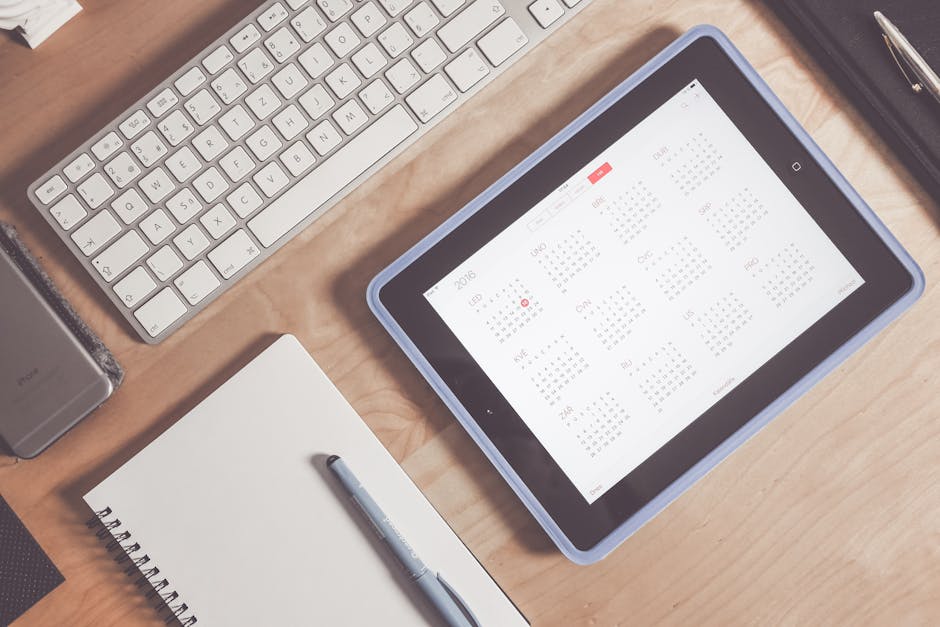
On a typical Tuesday afternoon, the desk is cluttered with half-open notebooks and a browser tab row filled with various projects. The freelancer sits down, ready to dive into the day’s tasks, but the screen flashes reminders of emails waiting to be addressed. This scenario plays out often, where the intention to create mindfully gets lost in the chaos of task switching, leaving the most important work buried under a pile of distractions.
In this moment, the challenge isn’t just the overwhelming task list but also the mismatched order of tasks against the freelancer's energy levels. The desk surface, cluttered and chaotic, reflects a workflow habit that doesn’t align with the day’s priorities. The next useful action, rewriting the top three tasks, becomes obscured by the setup clutter, making it harder to reclaim focus and engage in productive creative time.
The Routine That Should Work
The desk is a blank canvas, cleared of distractions, with only a notepad, a pen, and a laptop in sight. It’s the start of a focus block, and the freelancer has set aside a solid hour to tackle the most pressing tasks.
As the clock ticks, the freelancer glances at the task list, but the clutter of the browser tabs pulls attention away. This misalignment between the desk's setup and the intended workflow creates a friction point. This small adjustment allows the freelancer to shift gears and dive into the work session, transforming the cluttered mental space into a focused one. With the top three tasks rewritten and visible, it becomes easier to navigate through the day’s demands without losing sight of what truly matters. The expectation of a seamless routine is now challenged by the reality of task switching, revealing that even the best-laid plans can falter when the environment doesn’t support the workflow.
The First Breakdown: Task Overload
This same friction shows up again in Managing Energy Not Time, especially when the day tightens unexpectedly.
As the freelancer prepares for a focus block, the desk is cluttered with open notebooks, a half-drunk coffee mug, and a browser tab row filled with emails and project updates. The task list, intended to guide the work session, is obscured by the visual chaos. When the list is longer than the time available, it becomes easy to lose track of priorities, especially when the next useful action is buried beneath distractions.
During an ordinary weekday moment, notifications from email and project management apps ping relentlessly, pulling attention away from the tasks at hand. This misalignment between the desk's surface and the intended workflow creates a friction point that disrupts the freelancer's creative time.
To regain control, the freelancer can implement a small but effective adjustment: rewriting the top three tasks on a sticky note and placing it directly in front of the laptop. This visual cue not only clarifies priorities but also serves as a tangible reminder to resist the urge to switch tasks at the first notification ping. By focusing on the most pressing tasks first, the freelancer can navigate the day’s demands without losing sight of what truly matters, even as the clutter remains a constant backdrop. The expectation of a seamless workflow is challenged by the reality of task overload, revealing that the environment must support the workflow for mindful creative time to flourish.
Why the Same Mistakes Keep Happening
A slightly different version of this problem appears in Focus Without Burnout, where the sequence changes but the hidden drag feels familiar.
During a typical weekday, a freelancer sits at their cluttered desk, surrounded by a jumble of papers, half-opened browser tabs, and a task list that seems to grow by the minute. This familiar chaos often leads to neglect in organization, as the freelancer becomes desensitized to the clutter, making it easy to overlook the importance of a clear workspace for mindful creative time.
This pattern of prioritizing urgent tasks over important ones creates a backlog of less appealing work. The hidden cause lies in the desk's surface not matching the desired task sequence; the clutter distracts from the intended workflow. To counteract this, the freelancer can implement a simple yet effective strategy: rewriting the top three tasks on a sticky note and placing it prominently in front of their laptop. This visible task list serves as a constant reminder to focus on what truly matters, even as the temptation to switch tasks looms large. A Simple Correction to Reclaim Focus During a busy weekday, the freelancer notices their desk cluttered with old notes, half-drunk coffee cups, and an array of browser tabs open to various emails and articles. This visual chaos makes it hard to remember the priority tasks for the day. To regain focus, they can take a few straightforward steps that directly address the friction points in their workflow.
- Clear the desk of all non-essential items, leaving only the laptop and the sticky note for tasks.
- Rewrite the top three tasks on a sticky note, placing it directly in front of the screen for constant visibility.
- Set a timer for 25 minutes to initiate the first focus block, committing to that short burst of concentrated work.
After clearing the desk, the freelancer feels a slight weight lift, allowing them to focus better. The timer acts as a gentle nudge, creating a defined endpoint for the work session. This small correction—removing distractions and clearly stating priorities—can help them navigate the day’s tasks with renewed clarity, making it easier to resist the urge to switch tasks unnecessarily.
One Quick Check to Prevent Drift
During a crowded work block, the desk can quickly become cluttered, making it hard to remember which task to tackle first. To counteract this, a simple yet effective habit is to assess the desk surface before starting each session. Only the current task and necessary tools should be visible; everything else needs to be cleared away.
Start by closing unnecessary browser tabs, especially those that don’t relate to the immediate work at hand. This small action can reduce distractions significantly. After closing those tabs, take a sticky note and write down the top three tasks, placing it directly in the center of the workspace. This visible reminder serves as a quick check, guiding attention back to what truly matters. Implementing this routine not only streamlines the workspace but also creates a clearer path for productivity, making it easier to resist the temptation to drift into less important tasks. What Changes Once That Fix Repeats After clearing the desk surface and focusing solely on the current task, the next work session feels less cluttered and more directed. The browser tab row, previously filled with distractions, now showcases only the relevant document. This simple adjustment creates a noticeable shift in attention management; the mind is no longer pulled in multiple directions.
The act of writing down the top three tasks on a sticky note and placing it in the center of the workspace serves as a constant reminder. This visual cue not only keeps the primary objectives front and center but also helps in resisting the urge to switch tasks unnecessarily.
As a result, the time spent in the next block becomes more fruitful. Instead of wasting precious minutes deciding what to tackle next, the freelancer can jump into the work with a clear intention. This sequence of desk planning and task prioritization transforms the workflow, making it easier to maintain focus and complete tasks efficiently. The difference is stark: with fewer distractions, the energy can be channeled into meaningful progress rather than scattered attempts at multitasking.
During a busy weekday, the desk can easily become cluttered with open tabs and scattered notes, making it challenging to maintain focus. A quick glance at the browser tab row reveals a chaotic mix of priorities, where the intended focus block gets lost amidst distractions.
To regain control, take a moment to rewrite the top three tasks on a sticky note and place it prominently on your desk. This small act of desk planning not only clarifies what needs to be tackled first but also serves as a visual anchor against the pull of task-switching. Next time you sit down to work, check that note before diving in; it can transform the chaos into a structured workflow, making mindful creative time feel more achievable.
