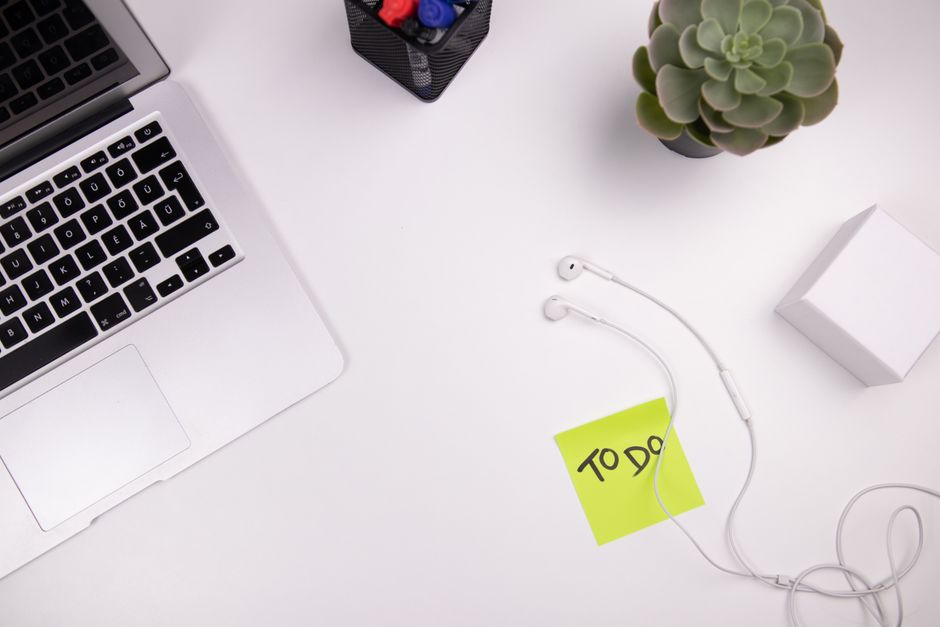
At 10:15 AM on a typical Wednesday, the remote worker sits at a cluttered desk, surrounded by an array of open tabs and a task notebook filled with scribbled notes. The top three tasks for the day remain unchanged, yet the screen flickers with notifications from Slack and email, pulling focus away from the creative work at hand. Each ping disrupts the flow, making it hard to dive deep into the project that requires sustained attention. The chaos of a calendar overloaded with meetings looms large, leaving little room for genuine creative time.
As the worker glances at the notebook, the realization hits: the focus block scheduled for the afternoon is at risk of being swallowed by the next meeting. A simple yet often overlooked action—closing unused tabs—could significantly clear mental space. This small adjustment, if made now, might pave the way for a more productive session later. Yet, the habit of task switching remains strong, and the temptation to check notifications lingers, creating a friction point that could derail the day’s mindful creative intentions.
The Overwhelmed Desk: A Case of Competing Priorities
The remote worker sits at a cluttered desk, surrounded by a jumble of open tabs on the computer screen, each vying for attention. The task notebook lies open, revealing a list of three top priorities that remain unchanged despite the chaos. As the clock ticks toward the next meeting, notifications from Slack and email pop up incessantly, each ping pulling focus away from the creative work that needs deep concentration. The pressure mounts as the calendar fills with back-to-back meetings, leaving little room for the planned focus block later in the day.
In this moment, a concrete decision emerges: closing unused tabs can create a clearer mental space. The worker hesitates, torn between the urge to check the latest message and the need to prepare for the upcoming focus block. With a deep breath, they take action—one by one, tabs are closed, reducing the visual noise on the screen. This small adjustment helps to minimize distractions, but the ever-present temptation to glance at Slack lingers, highlighting the friction between maintaining focus and the demands of constant connectivity. The desk planning remains cluttered, but now there’s a slightly clearer path toward a more productive work session ahead.
First Decision: Closing Tabs for Clarity
As the remote worker stares at the screen, the clutter of open tabs feels overwhelming. Each tab represents a task, a reminder, or a distraction, and with the clock ticking toward the next meeting, the pressure mounts. The temptation to check Slack or email is strong, but a small decision looms—closing three unused tabs to clear the digital workspace. This simple action can create a more focused environment.
- Identify three tabs that haven’t been used in the last hour.
- Close them one by one, noticing the reduction in visual noise.
- Take a moment to breathe, allowing the mind to settle before the next task.
This choice, made under the weight of constant notifications, shifts the atmosphere on the desk. With fewer distractions, the worker can now see the top three tasks in their task notebook without the clutter of irrelevant tabs pulling attention away. The decision to close those tabs not only clears the screen but also reduces the mental load, making the upcoming focus block feel more manageable.
The Cost of Clarity: A Moment of Frustration
As the clock inches closer to the next meeting, the familiar ping of Slack notifications echoes across the cluttered desktop. Each alert feels like a small tug on attention, pulling the remote worker away from the focus block they’ve set for themselves. The temptation to check messages is strong, especially when the mind is already teetering on the edge of distraction. This cycle of interruption can quickly derail any sense of clarity.
With multiple tabs open and a task notebook filled with scribbled notes, the worker faces a tradeoff: engage with the incoming notifications or maintain the current workflow. Choosing to check Slack leads to a cascade of distractions—one message leads to another, and soon the original task slips further down the priority list. The immediate satisfaction of responding to a colleague comes at the cost of losing momentum on the top three tasks, which remain visible but neglected.
To mitigate this friction, a practical check emerges: before diving into the next meeting, take a moment to close two or three unused tabs. This small adjustment not only declutters the screen but also creates a clearer mental space. By prioritizing the focus block and resisting the urge to switch tasks mid-session, the worker can preserve their attention for the work that truly matters. However, the lingering pull of notifications remains a constant reminder of the delicate balance between communication and concentration.
A More Effective Approach: One Focus Block on the Calendar
If this pattern keeps repeating, Managing Energy Not Time extends the idea without leaving the niche.
Before implementing a structured approach, the remote worker often found their calendar filled to the brim with back-to-back meetings, leaving little room for focused work. Each day began with a flurry of notifications from Slack and email, pulling attention away from the tasks at hand. The top three tasks, scribbled in the task notebook, never seemed to get the attention they deserved, as the worker would jump from one meeting to another, often forgetting what they intended to accomplish. The cluttered desktop, littered with open tabs, mirrored the chaotic workflow, making it challenging to concentrate on any single task.
After adopting a more mindful strategy, the worker began scheduling a dedicated focus block on their calendar—typically a solid hour in the morning. This simple act transformed their workflow. By blocking out this time, they prioritized the top three tasks, ensuring they had uninterrupted time to dive deep without the distraction of notifications. Closing unused tabs before this focus block became a ritual, clearing the digital clutter and allowing for a clean slate. The difference was palpable: the worker could now engage fully with their tasks, leading to a more productive session, free from the usual interruptions. The structured focus block not only enhanced concentration but also made the chaotic meeting days feel more manageable, as they could confidently set aside time for what truly mattered.
Revisiting the Better Choice: Consistent Outcomes
This same friction shows up again in Focus Without Burnout, especially when the day tightens unexpectedly.
On days packed with back-to-back meetings, the clutter on the desk and the digital workspace can easily spiral out of control. Each morning, the remote worker opens their task notebook, where the top three tasks remain unchanged. This consistency creates a familiar anchor amidst the chaos. However, without a focus block scheduled on the calendar, those tasks often get buried under the weight of incoming Slack notifications and email pings.
By consistently blocking out a focus hour each morning, the worker has noticed a significant reduction in interruptions. During this time, they close all unused tabs and silence notifications, creating a digital environment that mirrors their physical desk—clean and organized. This small act of preparation sets the stage for a productive session. With fewer distractions, they can dive deeply into their tasks, leading to a sense of accomplishment at the end of the hour.
Completing the top three tasks during this focus block not only boosts their confidence but also establishes a rhythm for the day. The worker finds that when they return to their task notebook later, the satisfaction of checking off completed items reinforces their workflow habits. This cycle of focused work followed by a clear visual of progress allows them to tackle the next set of tasks with renewed energy, making chaotic meeting days feel more manageable overall.
As the day winds down, the remote worker takes a moment to assess their task notebook, noticing that the top three tasks remain unchecked. This visual cue serves as a reminder of the importance of prioritizing focus blocks amidst a flurry of meetings. By committing to close unused tabs and silence notifications at the start of each work session, they can create a dedicated space for deep work, minimizing the chaos that often accompanies busy days.
Before heading into the next meeting, they set a calendar block for a focused hour. This small adjustment not only carves out time for creativity but also reinforces the habit of managing attention effectively. With this simple check in place, they can shift their mindset from reactive task switching to intentional productivity, making mindful creative time more workable even on the most chaotic days.