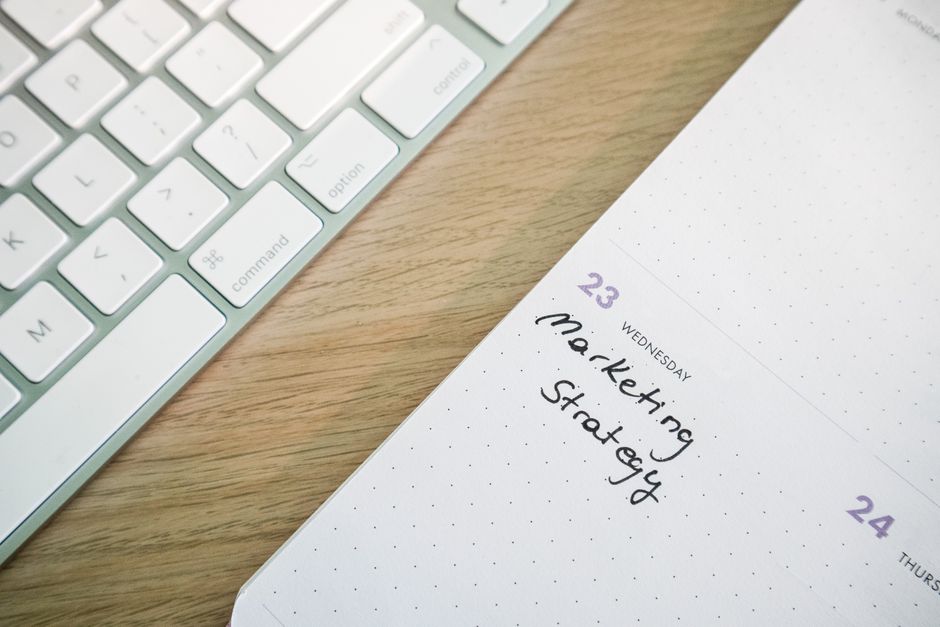
It’s a Tuesday morning, and the kitchen table is cluttered with a mix of coffee mugs and scattered notes. In this moment of planning, the goal is to carve out a focus block, but the reality is that small admin tasks keep creeping in, pulling attention away from the real work. Each time a notification pings, it’s tempting to switch gears, but that only leads to a fragmented workflow. The intention to engage deeply with a creative task gets lost amid the noise of task switching and calendar overload.
During this brief reset, the mind races through a mental checklist of what needs to be done, yet the visible task list remains untouched. The friction here lies in the way daily productivity is structured; the default routine often prioritizes quick wins over meaningful progress. This setup creates a cycle where mindful creative time becomes less workable, overshadowed by the clutter of distractions and the chaos of a busy calendar.
The Default Method: Juggling Tabs and Tasks
On a typical weekday, the kitchen table is a battleground of scattered notes, coffee cups, and devices, with the browser tab row overflowing with unfinished tasks. As the clock ticks, the intention to dive into a creative project fades, overshadowed by the constant ping of email notifications. This setup seems reasonable at first; multitasking feels productive, yet it fragments the workflow.
During a brief planning reset, the mind races through a mental checklist, but the visible task list remains untouched, buried beneath a pile of distractions. The focus block intended for deep work is quickly swallowed by the need to respond to a quick email or check off a minor task. Each time a tab is switched, the creative flow is disrupted, creating a cycle where the real work gets sidelined. To regain control, consider closing unused tabs first, allowing a clearer view of priorities. This simple act can shift the focus back to what truly matters, yet the clutter continues to loom large, making it difficult to engage fully with the creative process.
Where the Default Method Falls Short
Amidst the clutter of a kitchen table workspace, the browser tab row becomes a battleground. Each tab represents a small admin task, from responding to emails to checking off reminders, which quickly crowd out the meaningful work that needs attention. As the clock ticks, the focus block intended for creative output is overshadowed by the constant ping of incoming notifications.
Task switching becomes a reflex rather than a choice, leading to a fragmented workflow. A quick glance at the screen reveals a jumble of tabs: one for the project at hand, another for a meeting agenda, and yet another for the latest email. Each time a tab is switched, the mental load increases, making it harder to dive back into the creative flow. This cycle of distraction not only disrupts the work session but also leaves a lingering sense of overwhelm, as the minor tasks seem to multiply while the significant project languishes.
During a brief planning reset, it’s crucial to close unused tabs first. This simple action clears the visual clutter and allows for a more focused view of priorities. With the task list visible and manageable, it becomes easier to identify what truly needs attention. However, even with this adjustment, the underlying pressure remains. The weak point lies in the tendency to respond to every notification, which can derail the entire workflow. Recognizing this pattern is the first step toward reclaiming mindful creative time, yet the distractions continue to loom large, complicating the path back to deep work.
A slightly different version of this problem appears in Focus Without Burnout, where the sequence changes but the hidden drag feels familiar.
A More Workable Alternative: Focus Blocks
During a typical weekday at the kitchen table, the clutter of open browser tabs can quickly become overwhelming. This not only fragments your attention but also leaves the significant project untouched, buried under layers of minor distractions.
Implementing focus blocks offers a tangible solution. Start by designating specific time slots—perhaps 25 to 50 minutes—exclusively for creative work. Before beginning, take a moment to close all unnecessary tabs. This action reduces visual clutter, allowing for a clearer mental space.
Now, with a visible task list pinned to the side of your screen, you can more easily prioritize what truly needs your attention. The difference in setup is stark: instead of allowing the calendar to dictate your workflow, you take control by creating these dedicated focus blocks. This shift not only enhances your ability to concentrate but also mitigates the pressure of constant notifications. However, the challenge remains in resisting the urge to check those notifications during your focus time. A small but effective adjustment is to silence notifications or set your phone out of reach, further solidifying your commitment to the task at hand.
Balancing Tradeoffs: Focus vs. Flexibility
With small admin tasks constantly vying for attention, it’s easy to let the real creative work slip through the cracks. Closing all those distracting tabs becomes essential. This simple action clears the mental clutter, allowing you to hone in on what truly matters.
However, this structured approach can feel stifling for some. The rigidity of a focus block may limit spontaneous bursts of creativity that often arise in a more fluid working style. If you’re locked into a strict time frame, that moment could be lost. Yet, the tradeoff is clear: by prioritizing focused time, you reduce the overwhelming pressure of constant task switching and notifications. Even if it means sacrificing a bit of spontaneity, the clarity gained during those dedicated blocks often leads to a more polished final product.
To navigate this balance, consider keeping a visible task list pinned to your screen. This way, you can quickly jot down any spontaneous thoughts without derailing your focus. A quick glance at the list reminds you that those ideas can be revisited later, allowing you to stay committed to the task at hand. The tradeoff between structure and flexibility is real, but with the right adjustments, you can find a rhythm that works for your creative process.
Finding the Right Fit for Focus Blocks
This same friction shows up again in Managing Energy Not Time, especially when the day tightens unexpectedly.
On days packed with back-to-back meetings, the kitchen table can feel more like a chaotic command center than a workspace. Each ping pulls focus away from the real work, making it easy to lose track of what needs to be done. In this scenario, implementing dedicated focus blocks becomes essential.
When planning your day, consider blocking out specific time slots for deep work, especially during those heavy calendar days. Close all unused tabs before starting; this small action clears visual clutter and signals your brain that it’s time to focus. A quick glance at a visible task list pinned on your screen can also help you stay anchored, reminding you of what’s important without the need to constantly check your email.
As you settle into your focus block, it’s crucial to minimize distractions. If you find that admin tasks are creeping into your work time, make a habit of tackling them before your focus session begins. This way, you can prevent them from crowding out your creative time. When the focus block ends, take a moment to assess what you accomplished and what still needs attention. This structured approach not only helps in managing your time effectively but also allows you to reclaim your creative flow amidst a cluttered environment.
During busy meeting days, the clutter of your browser tab row can become a hidden enemy. Each tab represents a distraction, pulling your attention away from the task at hand. When you sit down at your kitchen table for a focus block, take a moment to close all unused tabs. This simple action not only clears your visual space but also reinforces your intention to engage with your most important work. Without those visual reminders of incomplete tasks, your mind can settle into a more productive rhythm.
As you prepare for your next creative session, glance at your visible task list pinned on your screen. This list serves as a tangible reminder of your priorities, helping to keep small admin tasks from seeping into your focus time. Make it a habit to tackle those smaller tasks before diving into your focus block, ensuring that they won’t disrupt your creative flow. This structured approach allows you to reclaim your mindful creative time, even amidst the chaos of a busy calendar.
