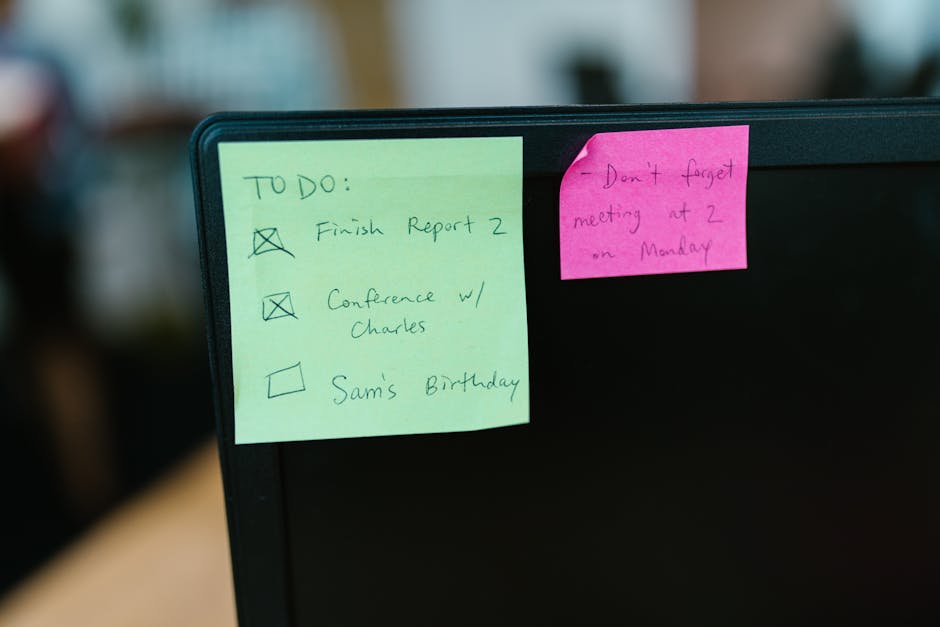
It's mid-morning on a Tuesday, and the remote worker sits at their cluttered desk, surrounded by a jumble of open tabs on their laptop. The task list sprawls across a page in their task notebook, each item looking deceptively simple. Yet, as they prepare to dive into a focused block of work, a reminder popup interrupts their train of thought, stealing the next ten minutes. This small admin task, which seemed trivial at first, quickly crowds out the real work, leaving them feeling overwhelmed and unfocused.
In the rush of daily productivity, these interruptions often go unchecked, creating a chain reaction of task switching that disrupts the flow. The worker glances at their calendar block, realizing they’ve skipped the essential step of muting notifications before starting their session. Without this simple check, the friction of constant distractions becomes a barrier to effective time management. As they attempt to regain focus, the question lingers: what part of mindful creative time usually slips first on a crowded day?
The Expected Flow of a Focused Work Session
The task notebook sits open, filled with neatly written items, each promising a quick win. As the remote worker scans the list, they spot a simple admin task that seems easy enough to tackle before diving into their focus block. However, the real challenge lies in the sequence of actions that follows. They’ve allocated a specific hour on their calendar for deep work, but without a clear plan to manage distractions, that time can evaporate quickly.
Before starting, they should first mute notifications on their devices. This small but crucial step often gets overlooked. With a muted notification window, the worker can minimize interruptions, allowing them to focus solely on the task at hand. However, the temptation to check off that admin task lingers, leading to a quick switch. They open another tab, thinking it will only take a moment, but as they begin, they realize the task is more complex than anticipated. Each click pulls them further away from their primary focus.
As the clock ticks, they glance back at their calendar block, realizing that the expected flow has been disrupted. The sequence of actions should have been straightforward: mute notifications, open the focus task, and dive in. Instead, they find themselves entangled in a web of task switching, where the simplicity of the admin task has cost them valuable minutes. The friction of these interruptions not only breaks concentration but also creates a lingering sense of unease as they attempt to reclaim their focus.
Where the Routine Breaks Down First
During a typical weekday morning, a remote worker sits at their cluttered desk, surrounded by an array of open tabs and a task notebook filled with scribbled reminders. They’re ready to dive into a focused work session, but the first snag appears almost immediately. A reminder popup flashes on the screen, announcing a small admin task that seems harmless enough. However, this seemingly simple task quickly steals the next ten minutes, pulling them away from the main focus.
As they click to complete the admin task, the worker opens another tab, thinking it will just take a moment. Yet, they soon realize that what they thought was a quick check turns into a deeper dive, revealing unexpected complexities. This is the first visible sign of drift, where the task list grows longer than the time available. The original plan was to mute notifications, open the focus task, and dive in, but instead, they find themselves entangled in a web of task switching.
Desk planning becomes crucial at this point. They glance back at their calendar block, which is now filled with reminders of tasks that have yet to be addressed. The friction of these small interruptions not only disrupts their concentration but also creates a lingering sense of unease. To regain control, they need to establish a practical check: setting a timer for the admin task to limit its scope. By doing this, they can create a boundary that allows them to return to their primary focus without losing track of time.
Why This Slip Becomes a Habit
The temptation to tackle small, manageable tasks often leads to a cascade of distractions. A remote worker, seated at their cluttered desk, might glance at their task notebook and see a list of quick admin tasks. Each task appears simple and satisfying, promising instant gratification. However, this allure can quickly derail a focused work session, especially when the digital workspace is cluttered with too many open tabs. Each tab represents a potential distraction, pulling attention away from the primary focus.
- Small tasks steal time: A reminder popup can unexpectedly steal the next ten minutes.
- Task switching costs: Each switch from one task to another adds invisible friction, making it harder to return to the main focus.
- Environmental clutter: A screen filled with notifications and tabs creates a chaotic atmosphere, hindering clarity.
During an ordinary weekday moment, the worker realizes that the simple task of checking an email has turned into a ten-minute detour. The hidden cause here is the lack of a practical checkpoint: setting aside a specific time to complete these small tasks. Without this structure, the worker finds themselves constantly switching gears, leading to frustration and a sense of lost time. To combat this, they might consider blocking out a focused session on their calendar, ensuring a dedicated time to tackle the more significant tasks without the interference of smaller, less impactful ones.
A Simple Correction to Reinstate Focus
This same friction shows up again in Managing Energy Not Time, especially when the day tightens unexpectedly.
Amidst the clutter of a busy desk, the remote worker often finds that small admin tasks can easily crowd out the real work. With a task notebook open, the intention to dive into a creative project quickly shifts to checking emails and responding to messages. This seemingly simple shift can transform a focused block into a fragmented session, where ten minutes vanish into the void of notifications and task switching.
To counter this, implementing a muted notification window during focus blocks becomes essential. Before starting a creative session, the worker can take a moment to silence all notifications, ensuring that no reminder popups or message alerts will disrupt the flow. Setting a timer for admin tasks, such as checking emails or updating a project status, can also help. By limiting these tasks to a strict ten-minute window, it becomes easier to return to the main focus without the usual distractions. This small correction, made at the start of a work session, can significantly enhance attention management and restore the clarity needed for mindful creative time.
A Compact Checkpoint Before the Next Drift
A slightly different version of this problem appears in Focus Without Burnout, where the sequence changes but the hidden drag feels familiar.
As the clock ticks toward the start of a focus block, the task notebook sits open on the desk, filled with a lengthy list of to-dos. This is where the first missed step often occurs. Before diving into the work, take a moment to scan the notebook and pull out just three key priorities for the session. This simple act of selection can prevent the overwhelming urge to tackle everything at once, which often leads to task switching and fragmented focus.
After identifying the three main tasks, check the calendar for any upcoming meetings or deadlines that might impact your focus block. If a reminder popup is scheduled to appear during your session, consider moving it to a muted notification window. This way, you can keep distractions at bay while ensuring that important alerts won’t steal away precious minutes. With the notebook closed and the digital distractions silenced, the workspace transforms into a focused environment, primed for creativity.
By limiting the number of tasks and confirming the timing of notifications, the remote worker can create a more manageable workflow. Each time the focus block begins, this compact checkpoint reinforces the habit of mindful preparation, making it less likely that small admin tasks will crowd out the real work. The desk, once a cluttered space of competing priorities, now becomes a sanctuary for focused creativity.
What Changes Once That Fix Repeats
After implementing a muted notification window, the next focus block feels noticeably different. With the task notebook open and the screen clear of distractions, the remote worker can dive into the creative work without the nagging anxiety of missed alerts. This small adjustment transforms the workspace into a more conducive environment for deep focus, where the mind can engage fully with the task at hand.
During the subsequent session, the worker finds that they can complete tasks that once seemed simple but were often derailed by the friction of task switching. For instance, instead of losing ten minutes to a reminder popup, they can now allocate that time directly to brainstorming or drafting. The act of blocking off this uninterrupted time allows for a smoother workflow, as the worker can concentrate on one task without the usual interruptions that lead to a fragmented thought process.
In this new rhythm, each focus block becomes a reliable checkpoint. The remote worker can now confidently schedule longer, more meaningful work sessions, knowing that the distractions have been effectively minimized. The desk, once overwhelmed by competing priorities, now serves as a dedicated space for creativity, making it easier to tackle more complex projects without the constant threat of small admin tasks creeping in.
As the remote worker sits at their desk, the task list looms larger than the available time, and the small admin tasks begin to crowd out the real work. Each time a muted notification window pops up, it steals precious minutes that could have been spent on meaningful tasks. The realization that these interruptions are not only disruptive but also cumulative serves as a wake-up call. Without a solid plan to block out focused time, the simple tasks seem deceptively manageable until the switching costs become apparent, leading to frustration and a fragmented workflow.
To combat this, the worker can take a moment to review their desk planning strategy. By actively setting aside a specific focus block in their calendar, they can create a dedicated space for creativity. This simple act of prioritizing uninterrupted time allows them to engage deeply with their work, transforming their desk from a chaotic hub of distractions into a sanctuary for mindful creativity. The next step is to ensure that this focus block is treated as sacred—no notifications, no multitasking, just a clear path to productive engagement.