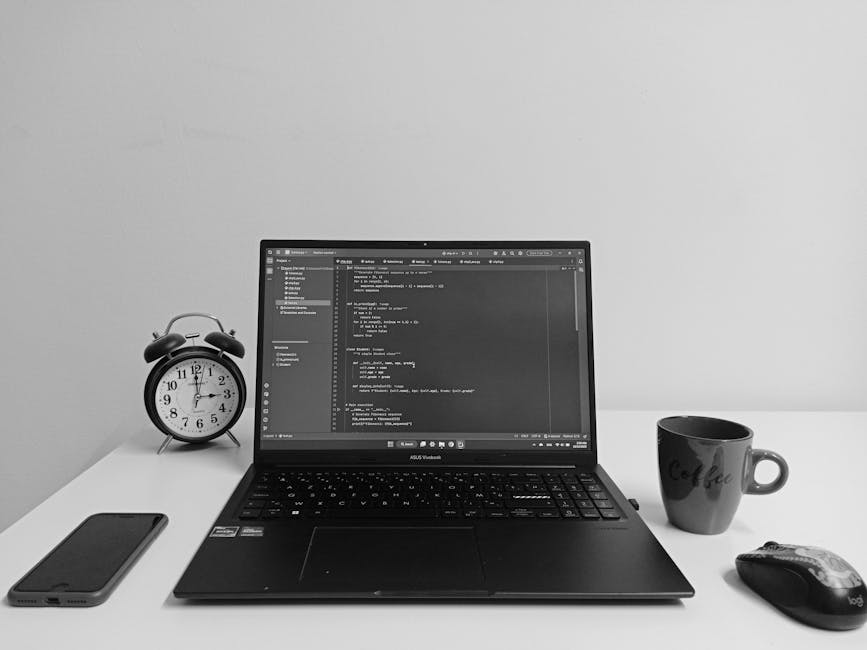
It’s a Tuesday afternoon, and the calendar sidebar on my screen is cluttered with overlapping reminders and notifications. As I sit at my desk, I can feel the tension building; my focus is scattered between the half-opened tabs for my current project and the sudden pop-up alert for a meeting I forgot to prepare for. The surface of my desk is littered with sticky notes, sketches, and an open notebook filled with ideas that don’t quite match the tasks I need to tackle right now. This mismatch between my work surface and the task sequence is pulling my attention in too many directions, making it harder to dive into a focused work session.
When I glance at my visible task list, I realize that I haven’t prioritized the most pressing items. Instead, I find myself shifting between tasks, losing precious minutes to indecision and distraction. A quick check reveals that I’ve left several tabs open from previous sessions, which only adds to the chaos. As I close the unused tabs and clear my desk of irrelevant materials, I start to see how the physical layout impacts my workflow habits. The simple act of organizing my workspace can create a clearer path to focus, allowing me to align my energy with the tasks at hand.
The Task Surface vs. Work Surface Dilemma
My desk is a battleground of scattered papers, half-finished sketches, and an array of open browser tabs that seem to multiply every time I glance away. Each sticky note clings to the edge of my monitor, a silent reminder of tasks that don’t align with my current focus. As I sit down for my designated focus block, the chaos around me pulls my attention in every direction. Notifications ping from my phone, drawing me into a spiral of task switching that steals precious minutes from my work session.
Before diving into the next task, I take a moment to assess the clutter. The calendar sidebar on my screen shows a reminder popup, but instead of helping, it derails my concentration for the next ten minutes. I realize that I need to create a visible task list and prioritize it, so I start closing unused tabs and organizing the papers into a neat stack. This small adjustment begins to clear the mental fog; as I create a single, focused workspace, I can finally see the tasks that truly matter. The act of aligning my physical space with my intended workflow habits is essential to reclaiming my focus.
Where the Routine Begins to Slip
The moment I sit down at my desk, the clutter tells a story of distraction. Papers are stacked haphazardly, and my laptop screen is dotted with open tabs, each a potential interruption. As I prepare for a focused work block, a reminder popup flashes on my screen, drawing my eyes away from the task at hand. Instead of seamlessly transitioning into my next project, I find myself caught in a ten-minute detour, responding to an email that could have waited.
With my attention fractured, I glance around my workspace. The chaos makes it difficult to locate the materials I need—a notebook buried under a pile of receipts, a pen lost somewhere in the mess. Each time I have to search for something, I’m tempted to switch tasks entirely, which only compounds the problem. I realize that this task switching is costing me not just time but also mental energy, as I struggle to regain the focus I had just moments before.
To counter this, I decide to implement a quick check before diving into my next task. I close all unused tabs and stack the papers into a neat pile, making sure only the relevant documents are within reach. This simple act of organization helps to clear my mental fog, allowing me to see the tasks that truly matter. However, the underlying friction remains: my desk setup still doesn’t align with my workflow habits, making it all too easy for distractions to creep in during my focus block.
A slightly different version of this problem appears in Focus Without Burnout, where the sequence changes but the hidden drag feels familiar.
A Simple Adjustment to Regain Focus
This same friction shows up again in Managing Energy Not Time, especially when the day tightens unexpectedly.
During an ordinary weekday, I sit down at my desk, ready to dive into a focus block for my creative work. The clutter around me—a mix of half-finished sketches, sticky notes, and a few open tabs on my laptop—creates a visual distraction that pulls my attention away from the task at hand. I know that to maximize my productivity, I need a clean workspace that aligns with my workflow habits. The first step is to close all unused tabs on my browser. This action alone eliminates potential distractions, making it easier to concentrate on the single task I’ve set for this focus block.
Next, I glance at my calendar sidebar, where I’ve scheduled specific time blocks for each task. I realize that I often forget to check this before starting my work session. By setting up a calendar block for my creative tasks, I can prevent interruptions that steal my focus, like those pesky reminder popups that tend to hijack my attention. As I stack my papers neatly and ensure only the relevant documents are within reach, I create a clear visual cue for what I need to accomplish. This small adjustment in my desk planning helps me align my physical space with my mental focus, allowing me to dive deeper into my work without the friction of a mismatched environment. Carrying the Change Forward After implementing the adjustments to my workspace, the next work session feels markedly more organized. With my browser tabs closed and only the relevant documents on my desk, I can focus on the task at hand without the usual clutter vying for my attention. The calendar block I set up not only keeps me on track but also allows for a smoother transition between tasks. I can glance at the sidebar to see what’s next without the anxiety of forgetting something important.
As I dive into my creative writing block, I notice the difference immediately. My materials are easily accessible, and I don't waste time hunting for notes or references. The physical setup mirrors my mental state, which fosters a deeper level of concentration. This organization leads to a more productive day, where I can complete tasks within the allocated time without the usual interruptions. I find that I can maintain my focus longer, as I no longer have to deal with the friction of mismatched surfaces.
However, I still need to be mindful of potential distractions. For example, I make it a point to disable unnecessary notifications during my focus blocks. This small but significant action helps to ensure that I stay in the flow, allowing me to carry the momentum from one task to the next without losing my rhythm. The adjustments I’ve made have not only streamlined my workflow but have also created a more conducive environment for mindful creative time.
As I prepare for the next focus block, I take a moment to close unused tabs on my browser. This simple action clears my digital workspace and reduces the temptation to switch tasks impulsively. I also check my visible task list, ensuring that each item aligns with the energy I have at that moment. If I notice a mismatch between the tasks and my current focus, I adjust my plan to prioritize what feels most achievable.
In this way, I create a more harmonious environment that supports my workflow habits. By aligning my desk setup with the tasks at hand, I eliminate friction and enhance my ability to concentrate. The next time I sit down to work, I’ll remember to check my calendar sidebar for any reminders that might disrupt my focus and adjust accordingly. This small, mindful adjustment can make a significant difference in how effectively I navigate my day.
