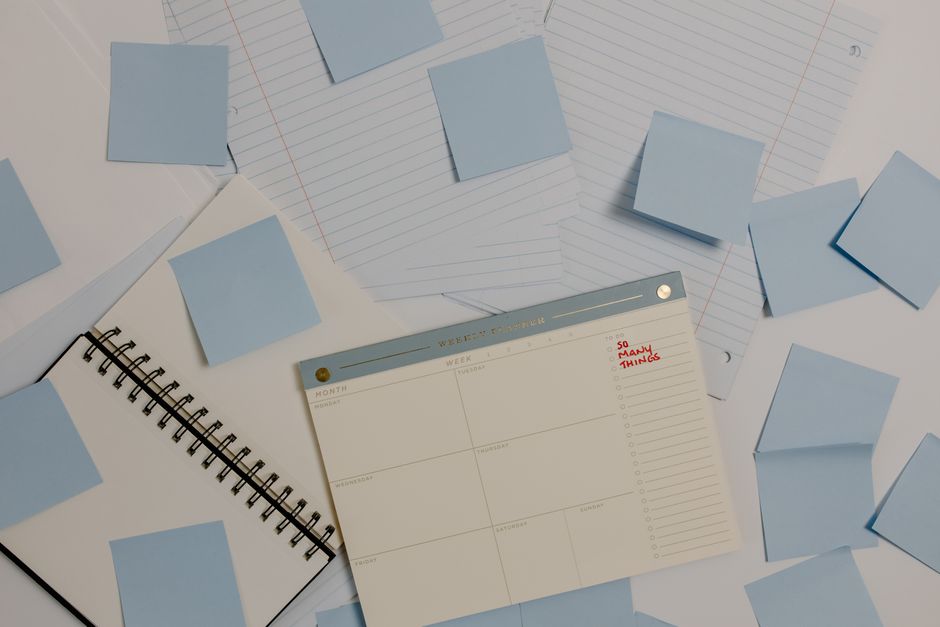
As the clock ticks past 10 AM on a Tuesday, the kitchen table is cluttered with a mix of notebooks, a mug of half-finished coffee, and a laptop screen filled with an overwhelming number of browser tabs. Each tab represents a different task, but the top three tasks never seem to get rewritten or prioritized, leading to a sense of chaos. Notifications from various apps ping in the background, pulling attention away from what should be a focused work session. The desk surface, littered with papers and reminders, does not align with the mental task sequence needed to tackle the day’s demands.
In this moment, the friction is palpable: the task list is longer than the time available, and the workspace is not conducive to a productive workflow. A quick glance at the calendar reveals a series of back-to-back meetings, leaving little room for deep focus. The missed check here is the lack of a designated focus block on the calendar, which could help carve out uninterrupted time amidst the chaos. By muting notifications and setting a clear intention for the next work session, it becomes possible to reclaim some control over the day, even if just for a short while.
The Overloaded Task List Trap
At the kitchen table, a jumble of papers, a laptop, and a smartphone create a chaotic workspace. The screen displays a calendar filled with overlapping commitments, while the task list on a notepad spills over the edges. Notifications ping relentlessly from various apps, each sound a reminder of another demand on your attention. The sense of urgency mounts as you glance at the clock, realizing the next meeting is just minutes away.
In this moment, the pressure to make quick decisions intensifies. The top three tasks, which should ideally be prioritized, never seem to get rewritten or adjusted; they remain static amidst the clutter, creating a false sense of completion. A quick check of the calendar reveals no focus block scheduled for the day, leaving little opportunity for deep work. The clutter on the desk not only distracts visually but also disrupts the mental sequence needed to tackle the tasks at hand. Muting notifications becomes a crucial step, allowing for a brief window of clarity to think through the next moves.
With a focus block finally carved out, you can begin to sift through the chaos. Start by clearing the desk surface of unnecessary items, placing only the essential documents and your laptop within reach. This small adjustment can help create a more conducive environment for the upcoming work session. As you set the timer for your focus block, the urgency begins to shift into a manageable rhythm, but the lingering pressure of the overloaded task list remains a constant reminder of the tradeoff between immediate demands and mindful productivity.
The First Decision That Can Shift Your Day
As the clock ticks towards another busy afternoon, the kitchen table is cluttered with notebooks, half-empty coffee mugs, and a laptop screen flashing with incoming notifications. Each ping pulls your attention away, making it hard to focus on the top three tasks that never seem to get rewritten. In this moment, the decision to mute notifications feels both tempting and necessary. With a quick flick of your finger on the keyboard, the sounds of incoming messages fade, creating a brief pocket of silence that invites clarity.
This choice transforms your workspace into a quieter environment, allowing for a more mindful approach to creativity. The absence of distractions helps you hone in on what truly matters. With the notifications silenced, you can now assess the clutter on your desk and prioritize effectively. Start by clearing away the items that don’t belong—stacking old papers in a drawer and moving the coffee mug to the side. Now, with a clean surface and a muted screen, you can set a focus block on your calendar, marking a solid hour dedicated solely to the most pressing tasks. This small adjustment not only enhances your concentration but also sets a rhythm for the work session ahead. However, the pressure of the overflowing task list remains, reminding you that each decision carries a tradeoff between immediate distractions and the deeper work that awaits. The Cost of Rushed Choices During a busy weekday, the kitchen table transforms into a chaotic workspace, littered with half-finished projects, a coffee cup, and a laptop displaying a browser tab row filled with open tasks. Missing deadlines becomes a familiar frustration when the work surface doesn’t match the task sequence. One moment, you’re deep into drafting a proposal, and the next, you’re switching to a meeting prep that’s buried under yesterday’s notes. This constant task switching creates a mental clutter that hampers creativity and leaves you scrambling to catch up.
When the desk is cluttered, it’s easy to overlook the importance of prioritizing tasks. The top three tasks on your list never get rewritten, leading to a false sense of progress. Instead of focusing on what’s essential, you find yourself reacting to the loudest demands, often sacrificing quality for speed. For instance, if you neglect to set a focus block on your calendar, you might end up rushing through a presentation, missing key points that could have made it stand out. The immediate tradeoff is clear: a bit of time saved now results in a lackluster outcome later.
As the day unfolds, the consequences of these rushed choices compound. You may finish the day with a sense of having accomplished something, yet the looming tasks remain unaddressed, and creativity feels stifled. Each decision to skip a focus block or ignore desk planning adds to the pressure, making it harder to align your workflow with your goals. The cost of not making mindful decisions shows up later as a backlog of unfinished work and a lingering sense of dissatisfaction, reminding you that every overlooked detail has its price.
This same friction shows up again in Focus Without Burnout, especially when the day tightens unexpectedly.
A Better Order for Your Focus Blocks
When your kitchen table is cluttered with papers and your browser tab row is overflowing with open projects, the last thing you need is a disorganized approach to your day. On busy meeting days, the temptation to dive into tasks without proper planning can lead to frustration. Instead of letting the loudest demands dictate your workflow, consider implementing a structured approach to your focus blocks that aligns with your daily productivity goals.
- Schedule at least one focus block on your calendar, ideally in the morning when your energy is highest.
- Prioritize your top three tasks based on urgency and importance, ensuring they are visible on your desk or pinned in your browser.
- As an alternative, mute notifications during your focus block to minimize distractions and enhance your attention management.
By placing your focus block in the morning and checking off those top three tasks before the day gets chaotic, you create a foundation for a more productive workflow. This small adjustment can help you avoid the common pitfall of task switching, where you end up jumping from one meeting to another without finishing anything meaningful. The key is to recognize that a well-planned focus block can transform your day, even when the task list feels overwhelming.
What Runs More Smoothly After That
If this pattern keeps repeating, Managing Energy Not Time extends the idea without leaving the niche.
When the kitchen table is cluttered with notebooks, a laptop, and half-finished coffee cups, the task list can feel like a mountain. Yet, after implementing a focused approach to desk planning, the chaos begins to recede. By designating a specific area for essential tools—like a notepad for jotting down the top three tasks and a dedicated spot for the laptop—there's less friction in finding what you need. This simple shift allows for a more streamlined workflow during busy days.
After muting notifications, the browser tab row becomes a crucial ally. With only the necessary tabs open, distractions fade away. This setup allows for a clear focus block on the calendar, ideally placed in the morning. As you dive into the first task, the satisfaction of checking it off creates momentum. The act of having those top tasks visible on the desk and prioritizing them means you’re less likely to switch gears unnecessarily. Instead of flitting between meetings and tasks, you can maintain a steady work session that respects your attention span.
As this practice repeats, the workspace transforms. The desk surface, once a chaotic mix of papers and devices, now reflects a more intentional approach to productivity. The carry-forward effect is palpable: with each focus block completed, the confidence builds, making it easier to tackle the next set of tasks. The earlier chaos gives way to a sense of control, proving that a few minor adjustments can yield significant improvements in how the day unfolds.
As you navigate the busy days filled with meetings and tasks, the clutter on your kitchen table can easily lead to distraction. By muting notifications on your devices, you create a quieter environment that allows for deeper focus during your designated work sessions. This simple act helps you resist the urge to check your phone or email, which often leads to unnecessary task switching.
Consider placing your top three tasks prominently on your desk, perhaps on a sticky note or a small whiteboard. This visible reminder keeps you anchored to what matters most, ensuring that even amidst the chaos, you can prioritize effectively. The next time you sit down to work, take a moment to check off that first task before diving into the next meeting. This small adjustment can significantly enhance your mindful creative time, making it more workable even when the task list feels overwhelming.