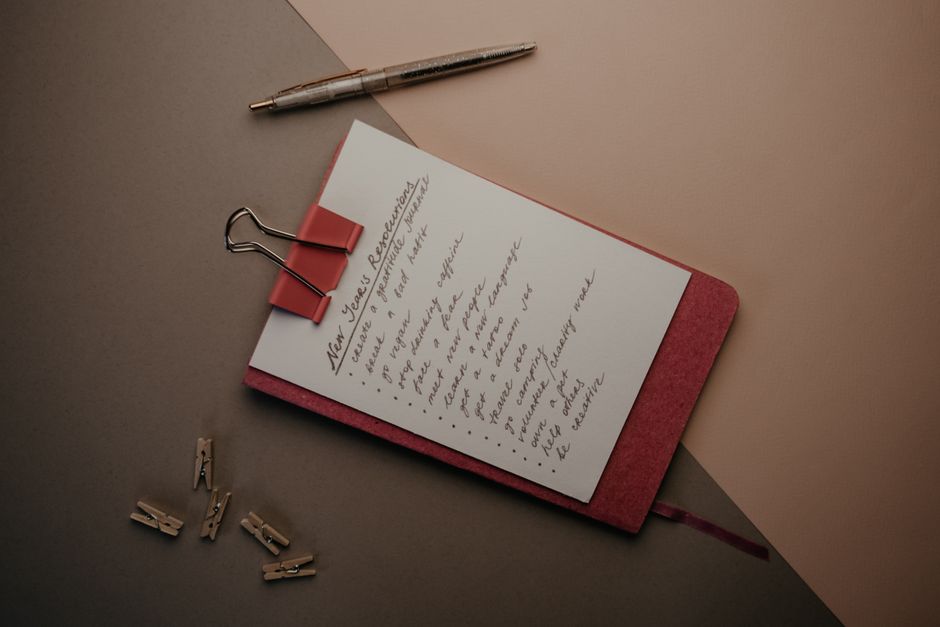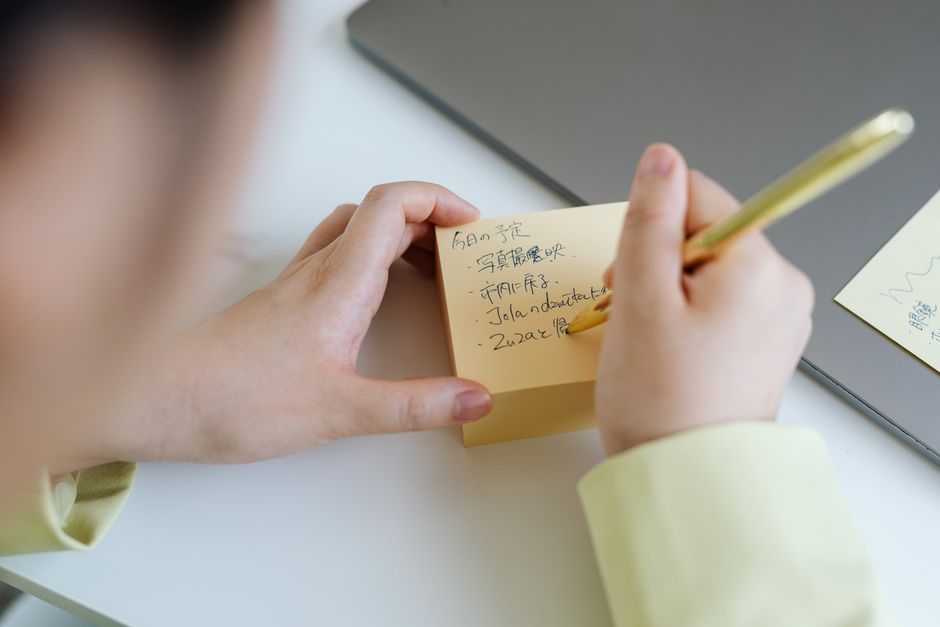
At the kitchen table, the task notebook is open, filled with scribbled lists and half-finished ideas. Each ping pulls attention away, creating a tug-of-war between the pressing tasks and the distractions that multiply with every moment. The clock ticks, and the longer the list grows, the harder it becomes to focus on the next actionable step.
Before diving into the work session, the calendar is checked again, a habit that seems harmless but often leads to a cascade of task-switching. Each glance at the schedule can trigger a mental shift, pulling thoughts toward other obligations and away from the task at hand. Closing unused tabs might seem like a minor adjustment, yet it can significantly clear the mental clutter that hampers focus. This simple act, often overlooked, can help reclaim the time that slips away when distractions dominate the workspace.
The Setup: A Kitchen Table Work Session
The kitchen table is strewn with notebooks, pens, and an open laptop, each item a reminder of tasks yet to be tackled. As the clock inches closer to the next hour, the intention to dive into a focused work session feels increasingly elusive. The task list sprawls across a page, a chaotic array of bullet points that seems to grow longer with every glance. Each ping from the laptop, whether a new email or a calendar reminder, pulls attention away, creating a constant tug-of-war between the pressing tasks and the distractions that multiply with every moment.
This quick glance can trigger thoughts about other obligations, shifting focus away from the current task. To regain some control, closing unused tabs on the browser becomes a necessary action, a small yet impactful step that clears the mental clutter. With the notifications muted, the next actionable step can finally emerge from the chaos, but the lingering distractions remain a reminder of how easily focus can slip away during a crowded work block.
The First Step That Gets Skipped
As the work session begins at the kitchen table, the laptop screen flickers to life, revealing a jumble of open tabs. Each one represents a task, yet none are the primary focus. Before even opening the working document, the instinct to check the calendar can become a hidden pitfall. This quick glance often leads to a cascade of distractions: new emails, reminders, and even the temptation to revisit old tasks that seem more pressing than the current project.
In this moment, the mind races, and attention fragments. This behavior not only steals valuable minutes but also dilutes the mental energy needed for deep work. A simple adjustment—closing those unused tabs—can create a clearer mental space. With fewer distractions in sight, focus can sharpen, allowing the mind to settle on the task at hand.
Before diving into the work, muting notifications becomes a crucial step. This small action, combined with the closed tabs, helps to establish a more conducive environment for concentration. The next actionable step, buried under the clutter of distractions, can finally come into view. However, the tendency to check the calendar first remains a common misstep, one that turns a focused intention into a fragmented experience.
A Common Bottleneck: The Calendar Check
If this pattern keeps repeating, Managing Energy Not Time extends the idea without leaving the niche.
During a busy weekday at the kitchen table, the task list looms larger than the available time. This seemingly harmless glance often leads to a cascade of notifications. One notification leads to another, and suddenly, the email tab expands, revealing new messages that demand attention. Each ping pulls focus away from the original task, creating a cluttered mental space and delaying the work session.
The clutter of emails and reminders creates a bottleneck in the workflow, where the next actionable step is buried under a pile of distractions. To counteract this, a simple action like muting notifications and closing unused tabs can help. By doing this before diving into the work, the environment becomes more conducive to concentration, allowing the mind to settle on the task at hand.
A Better Order for the Same Five Minutes
This same friction shows up again in Focus Without Burnout, especially when the day tightens unexpectedly.
Before diving into a work session at the kitchen table, the urge to check the calendar can be tempting. However, this often leads to a flurry of distractions. Instead of letting those distractions creep in, prioritize your setup with a more effective sequence. Start by closing all unused tabs on your browser; this clears visual clutter and helps your mind focus. Next, mute notifications on your phone and computer to eliminate any pings that might interrupt your flow. Finally, set a timer for your focused work block, whether it’s 25 or 50 minutes, to create a clear boundary for your attention.
- Close all unused tabs before starting the session.
- Mute notifications to reduce distractions.
- Set a timer for focused work blocks.
By following this revised order, you can transform those five minutes into a more intentional setup. This small adjustment in your approach can make a significant difference in maintaining focus during a crowded work block.
What to Check Before the Phone Takes Over
During a busy weekday at the kitchen table, the clutter of a long task list can feel overwhelming. Before you reach for your phone to check notifications, take a moment to ensure your task notebook is open and ready. This simple action sets the stage for your focus. When the notebook is visible, it serves as a tangible reminder of what you need to accomplish, anchoring your attention to the work at hand.
Limit phone checks to predetermined times, perhaps every hour, to avoid drifting into a cycle of distractions. When you do check, make it a quick glance, not a deep dive into social media or emails. Position your phone away from your main workspace, ideally out of sight, so that it doesn’t become the default distraction. Instead, prioritize your calendar block by opening the working document first. This way, when you sit down to work, your focus is already aligned with your goals, and the urge to task-switch diminishes significantly.
The Result: A Cleaner Sequence Leads to Progress
By shifting your attention to opening the working document first, you create a direct line to your task.
As interruptions from notifications diminish, your focus improves significantly. With your phone muted and placed out of reach, the chaos of incoming messages fades into the background. This setup not only streamlines your desk planning but also enhances your workflow habits. The time once lost to task-switching transforms into productive output, making your kitchen table a hub of creativity rather than a battleground of distractions.
Next time you sit down, take a moment to check your task notebook first. Ensure it’s open and clearly visible, as this small act reinforces your commitment to the tasks at hand. In doing so, you cultivate a space where your attention can flow freely, leading to tangible progress on your projects.
Each glance at the calendar not only distracts you from the task at hand but also opens the door to a cascade of other tasks vying for your attention.
To combat this, try placing your task notebook directly in front of you, ensuring it’s the first thing you see when you sit down. This simple adjustment can serve as a visual anchor, reminding you of your priorities. Before you check your calendar or open any tabs, take a moment to review your notebook. This small act can help you regain control over your workflow, allowing you to focus on what truly matters during your limited creative time.