At 10:15 AM, the screen flickers with a new Slack notification, pulling attention away from the carefully planned focus block. The browser tab row is cluttered with multiple projects, each vying for a moment of consideration. The top three tasks, meant to guide the work session, remain untouched, their priorities slipping further down the mental list. As the office worker attempts to dive deep into a creative project, the persistent ping of incoming messages creates a friction point, disrupting the flow of ideas and concentration.
Each time a notification appears, the instinct to check it interrupts the rhythm of the work session. The habit of task-switching becomes almost automatic, leading to a scattered approach where the intended focus on one project is diluted. This cycle of distraction not only hampers daily productivity but also makes it difficult to maintain a sense of mindful engagement with the work at hand. The missed check of rewriting the top three tasks becomes a critical oversight, leaving the worker without a clear path forward amidst the chaos of competing demands.
Inside a Cluttered Work Session
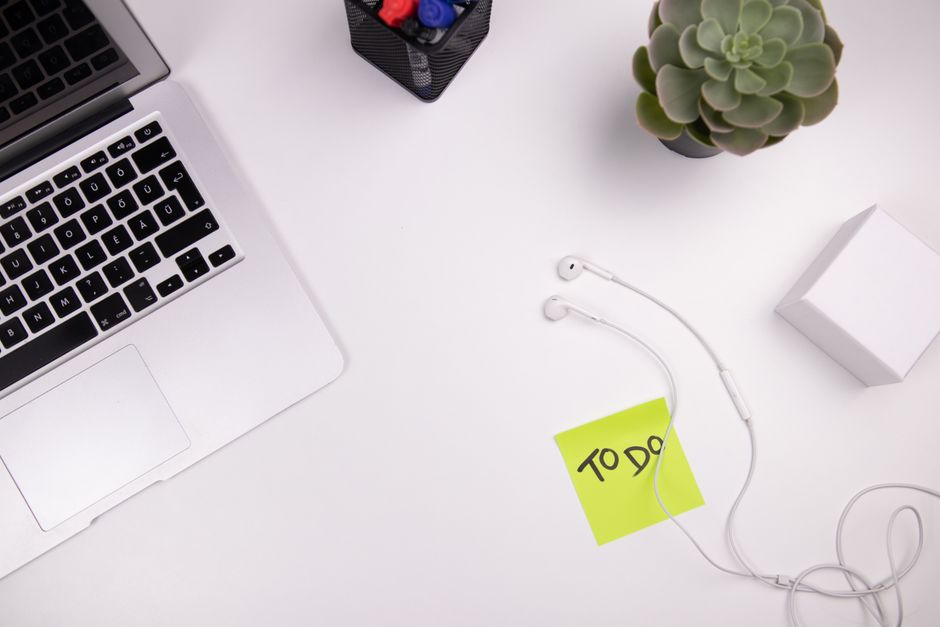
The desk is a visual cacophony of sticky notes, each scribbled with reminders and tasks, while the browser tab row stretches endlessly with open projects and articles. It’s an ordinary weekday moment, and the office worker sits down for a dedicated work session, intending to dive deep into a creative project. However, the clutter around them is not just physical; it seeps into their mental space, making it harder to focus. As they prepare to start, the familiar ping of Slack notifications disrupts the silence, pulling their attention away from the task at hand.
Each notification feels like a small obligation, a call to action that interrupts the flow of ideas. The instinct to check messages becomes a habit, leading to frequent task-switching that scatters their concentration. With every ping, the top three tasks, which were meant to anchor their focus, remain untouched and forgotten. A muted notification window could help, but the habit of checking messages feels more pressing. As the worker juggles between tabs and reminders, the intended focus on a singular project fades, leaving them in a cycle of distraction that makes mindful engagement nearly impossible.
The First Distraction That Breaks Focus
As the clock ticks toward the end of the morning, the office worker settles into a deep-work block, ready to tackle the most pressing project on their list. The screen glows with a browser tab open to their planner, where the top three tasks for the day sit, waiting for attention. Suddenly, a Slack notification pops up, its bright banner slicing through the mental fog. The instinct to check it is almost automatic, pulling their gaze away from the project and onto the notification. In that moment, attention splits, and the carefully crafted focus begins to unravel.
- The top three tasks on the planner remain unchanged, creating confusion about priorities.
- Each Slack ping leads to a moment of task-switching, where the worker toggles between tabs, losing precious time.
- A muted notification window could have prevented this disruption, but the habit of checking messages feels more pressing.
As the worker continues to juggle between tools and reminders, the intended focus on the singular project fades further. The top three tasks, which should serve as anchors for their workflow, never get rewritten or prioritized. This missed check not only leaves them scattered but also sets the stage for a chaotic afternoon where mindful creative time becomes a distant goal.
Why Task-Switching Disrupts Mindful Time
If this pattern keeps repeating, Managing Energy Not Time extends the idea without leaving the niche.
During a busy workday, the cluttered desktop reflects the chaos of task-switching. Multiple browser tabs sit open, each one vying for attention—email, Slack, project management tools. As notifications pop up, the urge to respond immediately pulls focus away from the current project. This split attention makes it challenging to maintain the deep work that is essential for mindful creative time.
Each time a notification interrupts, the brain has to work harder to regain its previous focus. It’s not just about switching tasks; it’s about the mental reset that follows. When the worker toggles back to the original task, they often find themselves staring at a blank screen, struggling to remember where they left off. This disruption doesn’t just cost time; it erodes the mental space needed for creativity. The top three tasks on the planner, which should guide the workflow, often remain unchanged, leading to confusion about what to prioritize next.
To mitigate this, a simple yet effective adjustment is to mute notifications during focus blocks. By placing the notification window out of sight, the worker can create a more conducive environment for deep work. However, the hidden tradeoff is that the worker must consciously decide to check messages at set intervals instead of reacting to every ping. This decision requires discipline, as the instinct to respond immediately can be hard to overcome. Without this small but crucial step, the intentions to maintain mindful creative time often fall short, leaving the worker scattered and unfocused.
Rewriting Tasks: A Simple Adjustment
This same friction shows up again in Focus Without Burnout, especially when the day tightens unexpectedly.
During a busy workday, the cluttered desktop often becomes a battlefield of notifications and reminders. The top three tasks on the planner, meant to guide the workflow, frequently remain untouched. Instead of providing clarity, they contribute to confusion, as the worker juggles between Slack messages and email pings. Each time a notification pops up, focus is shattered, and the mental space needed for creativity is compromised. The result? A scattered mind, unsure of what to tackle next.
After implementing a small adjustment—taking a moment to rewrite the top three tasks—there's a noticeable shift in clarity. This simple act, done at the start of a focused work session, helps prioritize what truly matters. Instead of just glancing at the old list, the worker can now see fresh, actionable items that reflect current goals. One effective sequence is to first mute notifications, then open a blank document or task manager, and finally jot down the revised tasks. This setup not only clears the browser tab row of distractions but also creates a structured path forward.
However, this change requires discipline. The instinct to respond to every ping can be overwhelming, and without a conscious decision to check messages at set intervals, the worker risks slipping back into old habits. By committing to this small adjustment, the worker can protect their mindful creative time, ensuring that attention remains focused and productive throughout the work session.
The Ripple Effect of Task Clarity
During a busy weekday, the cluttered desktop often becomes a battleground of notifications, emails, and open tabs. In this chaotic environment, rewriting the top three tasks at the start of a focused work session can transform the entire workflow. With a blank document open, the worker types out the most pressing tasks, pushing aside the noise of Slack and email alerts. This simple act not only prioritizes immediate goals but also serves as a mental reset, allowing for a clearer path forward.
As the notifications are muted and the tasks are rewritten, the next work session feels more organized. The worker can glance at the freshly crafted list without being distracted by the clutter of old tasks that no longer reflect current priorities. This clarity reduces the impulse to switch tasks mid-session, which often leads to fragmented focus. Instead, the worker can dive deeper into each task, knowing that the top three are clearly defined and actionable.
In subsequent work blocks, the absence of constant notifications creates a quieter atmosphere, allowing for sustained attention. Each completed task builds momentum, reinforcing the habit of staying on track. By committing to this small adjustment in desk planning—muting notifications and rewriting tasks—the worker not only protects their mindful creative time but also establishes a more productive rhythm throughout the day. The ripple effect of this clarity can be seen in how smoothly the workflow progresses, making it easier to tackle the next set of tasks without unnecessary distractions.
During a busy workday, the friction points in maintaining mindful creative time often stem from the constant barrage of Slack and email notifications. Each ping pulls attention away from the task at hand, disrupting focus and making it harder to dive deep into meaningful work. A simple yet effective strategy is to keep one browser tab open for notifications while muting others. This allows for a quick glance without the temptation to engage immediately, preserving the integrity of the current focus block.
As the day progresses, the worker should prioritize rewriting the top three tasks on their desk planner at the start of each work session. This act not only clarifies immediate priorities but also serves as a visual anchor amidst the clutter of a busy desktop. By taking these small steps—muting distracting notifications and clearly defining tasks—the worker can gradually reclaim their mindful creative time, making it easier to navigate through the chaos of a crowded work block.