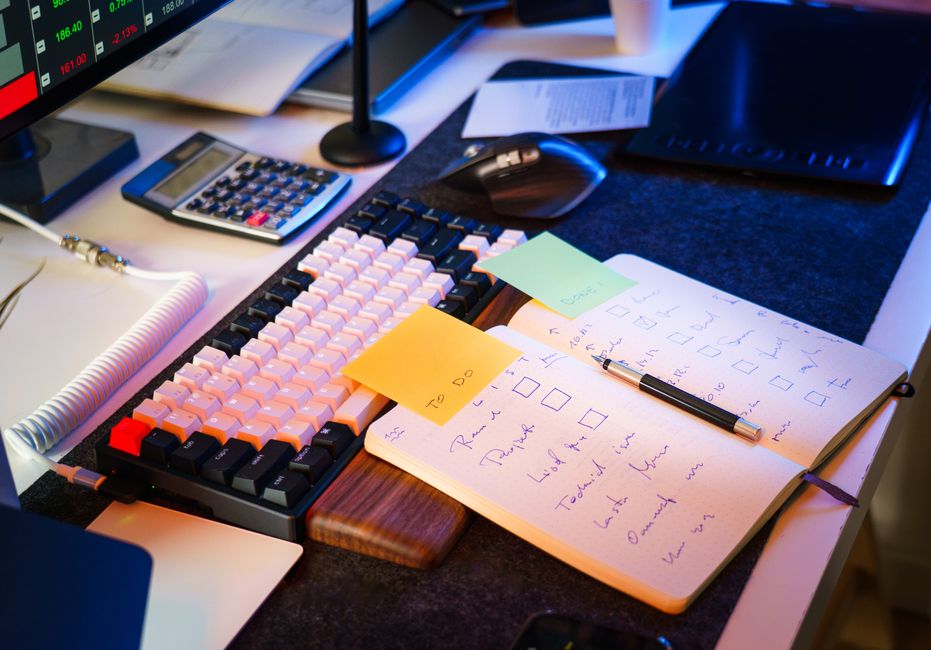
At the kitchen table, the task notebook lies open next to a half-drunk cup of coffee, its pages filled with scribbled notes and reminders. The calendar is checked before diving into work, but the momentary glance at the packed schedule reveals a series of overlapping commitments that complicate the day ahead. Each time a new email arrives, the instinct to switch gears pulls focus from the intended creative session, making it harder to settle into a productive workflow.
As the clock ticks, the challenge of task-switching becomes apparent. Each interruption adds friction, causing the mind to flit between tasks rather than concentrating on one. This scattered approach to mindful creative time not only disrupts the flow but also leads to inefficiencies that could be avoided with a more structured method. Recognizing these friction points is essential for anyone trying to cultivate a more effective creative environment.
The First Step That Gets Skipped
At the kitchen table, a cluttered notebook sits beside a half-empty mug of coffee, filled with reminders and half-finished tasks. With overlapping commitments staring back, there's a nagging sense of urgency that makes it easy to justify a quick glance at email notifications before diving into the work session. This seems reasonable at first; after all, staying updated feels like part of the workflow.
Each notification pulls attention away, creating a slippery slope of task-switching. This scattered approach quickly reveals its costs: every switch adds friction, making it harder to settle back into the creative mindset. What seemed like a harmless detour turns into a series of interruptions that disrupt the flow of thought.
To counteract this, a visible task list could be placed directly in front of the workspace, serving as a constant reminder of what truly needs to be accomplished. Instead of allowing the calendar to dictate the workflow, taking a moment to write down the primary task can help clarify intentions and reduce the urge to switch gears at the slightest ping. This small adjustment can transform the creative time from chaotic to productive, turning the kitchen table into a more effective workspace.
Where the Default Method Falls Short
Every time the calendar is checked before opening the working document, a small but significant delay occurs. The kitchen table, cluttered with a task notebook, a laptop, and a half-empty coffee cup, becomes a battleground for attention. Each notification that pops up is a siren call, pulling focus away from the main task.
This task-switching introduces costs that compound over time. Each interruption adds friction, making it increasingly difficult to settle back into a focus block. The weak point emerges under pressure; as the clock ticks on a busy weekday, the urge to check messages or glance at social media feels justified, yet it only leads to more scattered thoughts. The kitchen table, meant for productive work, starts to feel like a trap, where the original intention of mindful creative time slips away.
To counteract this, consider placing a visible task list directly in front of your workspace. This list serves as a constant reminder of what truly needs attention, helping to resist the urge to check the calendar or dive into emails. Instead of allowing the calendar to dictate your workflow, take a moment to write down the primary task before diving in. This small adjustment can create a clearer path through the clutter, transforming the chaotic environment into a more focused and productive space.
This same friction shows up again in Focus Without Burnout, especially when the day tightens unexpectedly.
A Better Order for Mindful Creative Time
When working from a kitchen table, distractions can easily derail a focus block. Instead of letting the calendar dictate your workflow, establish a focus block first. This means setting a timer for 25 minutes and committing to only the primary task during that time.
- Write down the main task in your notebook before starting.
- Place a visible task list in front of you to keep priorities clear.
- Open the document only after the timer ends, avoiding premature distractions.
By changing the order of operations, you create a more structured approach to your work session. This adjustment not only minimizes task-switching costs but also helps maintain a clearer mindset as you transition into your work. Aim to stick to this new sequence during your next busy weekday moment to see how it transforms your productivity.
The Tradeoff: Structure vs. Flexibility
When working from a cluttered kitchen table, the choice between structured focus sessions and flexible task-switching can significantly impact your productivity. While a rigid schedule might feel confining, it provides a clear framework that can help you dive deeper into your tasks. For instance, if you set a timer for a 25-minute focus block and write down your primary task in your notebook, you create a dedicated space for that work. This approach reduces the temptation to check your calendar or email, which often leads to scattered attention.
On the other hand, the default method of allowing flexibility can feel liberating but often results in more frequent distractions. The tradeoff here is that while flexibility offers a sense of control, it frequently undermines your ability to maintain focus. By prioritizing a structured approach, you may sacrifice some spontaneity, but the clarity it brings can lead to more productive work sessions. Next time you sit down, consider blocking your time first and see how it reshapes your workflow.
A Quick Check That Prevents More Drift
During a busy weekday at the kitchen table, the clutter of notebooks and half-finished tasks can easily lead to distractions. Before diving into the next task, it’s crucial to pause and check your visible task list. This simple act can serve as a grounding moment, allowing you to assess what truly needs your attention. If you find yourself reaching for your calendar to see what’s next, take a moment instead to look at the list in front of you. The task notebook should be your primary focus, not the calendar screen.
To counter this, establish a habit of checking your task list right before you start a work session. This quick check, ideally placed at the beginning of your focus block, can help clarify what you should prioritize. By doing so, you not only reduce the risk of drifting but also enhance your ability to stay on track with your mindful creative time.
When That Alternative Fits Better
If this pattern keeps repeating, Managing Energy Not Time extends the idea without leaving the niche.
During a busy weekday at the kitchen table, the clutter of notebooks and half-finished tasks can create a chaotic atmosphere. As you prepare for your next work session, the temptation to check your calendar can be overwhelming. However, this often leads to task-switching that disrupts your focus. Instead, prioritize your task notebook as the first point of reference. Open it up and take a moment to scan your visible task list. This simple act grounds you in what truly requires your attention, steering you away from the distractions of an overflowing email inbox.
After checking your task list, set a clear intention for your focus block. Place a physical timer on the table to mark this dedicated time. Knowing that you have a specific window for this task can help mitigate the urge to switch gears when a new email notification pops up. If you find yourself drawn back to the calendar, remind yourself that the task list is your priority, not the shifting schedule. By establishing this sequence—task list check, clear intention, and timed focus—you create a more effective workflow habit that enhances your mindful creative time. As you navigate the crowded landscape of your kitchen table workspace, the friction of task-switching can easily derail your focus. Instead, consider placing your task notebook prominently in your line of sight, opened to the current task list. This way, every time you glance up, you’re reminded of your priority, pulling you back from the distractions that threaten to consume your time.
Next time you sit down for a work session, commit to a specific focus block by blocking out that time on your calendar and physically marking it with a timer. This visual cue reinforces your commitment to the task at hand, making it less likely for you to succumb to the allure of checking emails or shifting gears. By anchoring your workflow habits to this structured approach, you can transform your mindful creative time into a more productive experience, even amidst the chaos of a busy day.